


Understanding the psychological triggers that drive casino gambling decisions
The Allure of Risk and Reward
One of the most compelling psychological triggers for gambling is the allure of risk and reward. Players are often attracted to the potential for significant monetary gain, which can overshadow the likelihood of loss. The excitement that accompanies the possibility of hitting a jackpot or winning big can create a rush that many find irresistible. This thrill is heightened in a casino environment, where bright lights and sounds amplify the feeling of urgency and excitement. Gamblers may also find valuable resources through platforms like halftimebettingclub.co.uk to enhance their engagement.
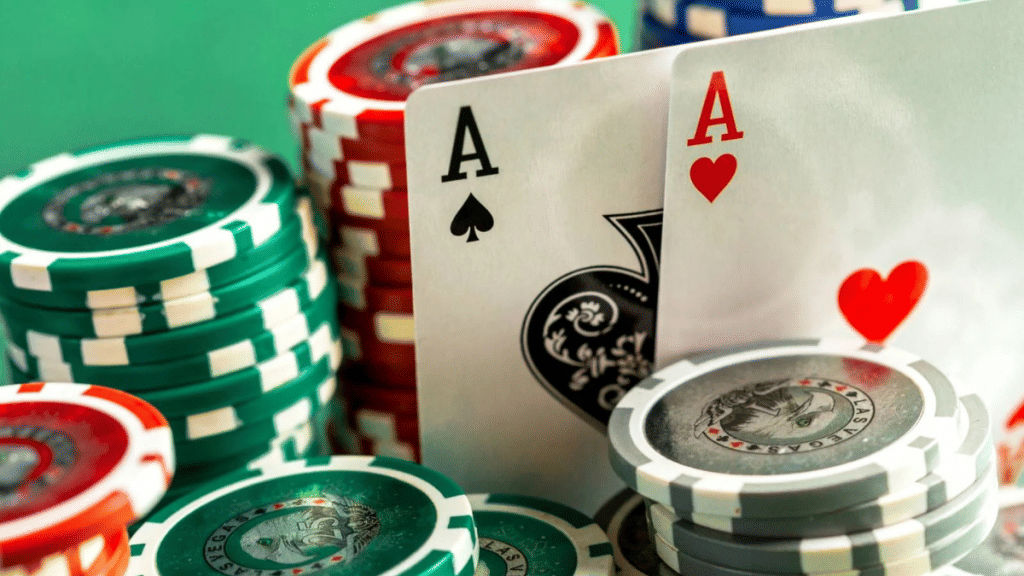
The psychology of risk-taking is deeply rooted in human behavior. People are generally drawn to activities that involve uncertainty, as they often perceive these experiences as more engaging. In a casino, each spin of a slot machine or hand of blackjack presents an opportunity to win, feeding a gambler’s desire for immediate gratification. The anticipation before the outcome can be as exhilarating as the win itself, making it a powerful motivator for repeated play.
Moreover, the concept of near misses—where a player almost wins but falls just short—can significantly reinforce gambling behavior. These experiences can trigger feelings of hope and determination, leading players to continue gambling in search of that elusive win. This is why many gamblers may find themselves drawn back to the tables or machines, driven by the psychological reinforcement of potential success.
The Influence of Environment
The environment of a casino plays a pivotal role in shaping gambling behavior. Casinos are deliberately designed to create an immersive experience that encourages players to stay longer and gamble more. From the layout to the colors used, every element is strategically planned to maximize the potential for spending. Bright colors, comfortable seating, and strategically placed machines or tables all contribute to an atmosphere that encourages continued play.
Additionally, the presence of other players can heighten the excitement and urgency to gamble. Social dynamics are at play in a casino setting, where the energy of a crowded room can influence individual decisions. Players often feel compelled to join in when they see others winning, creating a herd mentality that drives gambling decisions. This social aspect of gambling can lead to impulsive decisions that individuals may not make in isolation.
The effects of music and sound in casinos cannot be overstated either. Upbeat, fast-paced music can create a sense of exhilaration, while the sounds of chips clinking and machines ringing can evoke feelings of victory. Together, these sensory elements not only enhance the gaming experience but also serve as triggers that entice players to gamble more, further reinforcing the connection between environment and decision-making in casinos.
The Role of Cognitive Biases
Cognitive biases significantly influence gambling decisions, often leading individuals to make irrational choices. One such bias is the gambler’s fallacy, where players believe that past outcomes affect future results. For instance, a gambler might think that a slot machine is due for a payout if it has not paid out recently, despite each spin being independent of the last. This fallacy can compel players to continue wagering, under the illusion that they are due for a win.
Confirmation bias also plays a role, as gamblers often focus on wins and ignore losses. When players experience a win, they may remember it vividly, reinforcing the idea that gambling can be profitable. Conversely, losses may be rationalized or forgotten, allowing individuals to continue chasing their next win. This selective memory fuels a cycle of gambling that can be difficult to break, leading individuals to make decisions driven by emotion rather than logic.
Lastly, the illusion of control is another powerful psychological trigger. Many gamblers believe they can influence the outcome of games, particularly in games that involve skill, such as poker or blackjack. This sense of control can lead to increased gambling, as players feel empowered and confident in their abilities. Unfortunately, this belief can perpetuate a cycle of risk-taking that ultimately results in greater financial loss.
The Impact of Emotion on Decision-Making
Emotional states significantly impact gambling decisions, often leading individuals to act impulsively. Positive emotions, such as excitement or joy from a win, can lead to more gambling as players seek to replicate those feelings. Conversely, negative emotions such as stress or sadness may drive individuals to gamble as a means of escape, seeking solace in the thrill of risk. This emotional rollercoaster can influence players’ choices, often leading to poor decision-making.
The emotional connection to gambling is intensified by the presence of rewards. Winning can trigger the release of dopamine, the brain’s feel-good chemical, creating a sense of euphoria that reinforces the behavior. This chemical response can create a cycle where individuals seek to gamble more to replicate the feelings of joy associated with winning, despite the reality of their overall losses. This emotional interplay can keep players engaged in gambling longer than they initially intended.
Moreover, the role of peer influence cannot be overlooked when considering emotional factors. Friends or family members who gamble can create a supportive environment that encourages participation. Positive reinforcement from peers can amplify the emotional experience, making gambling feel more socially acceptable and enjoyable. This shared experience can lead to collective decisions that individuals might not have made on their own, further complicating the psychological triggers at play.
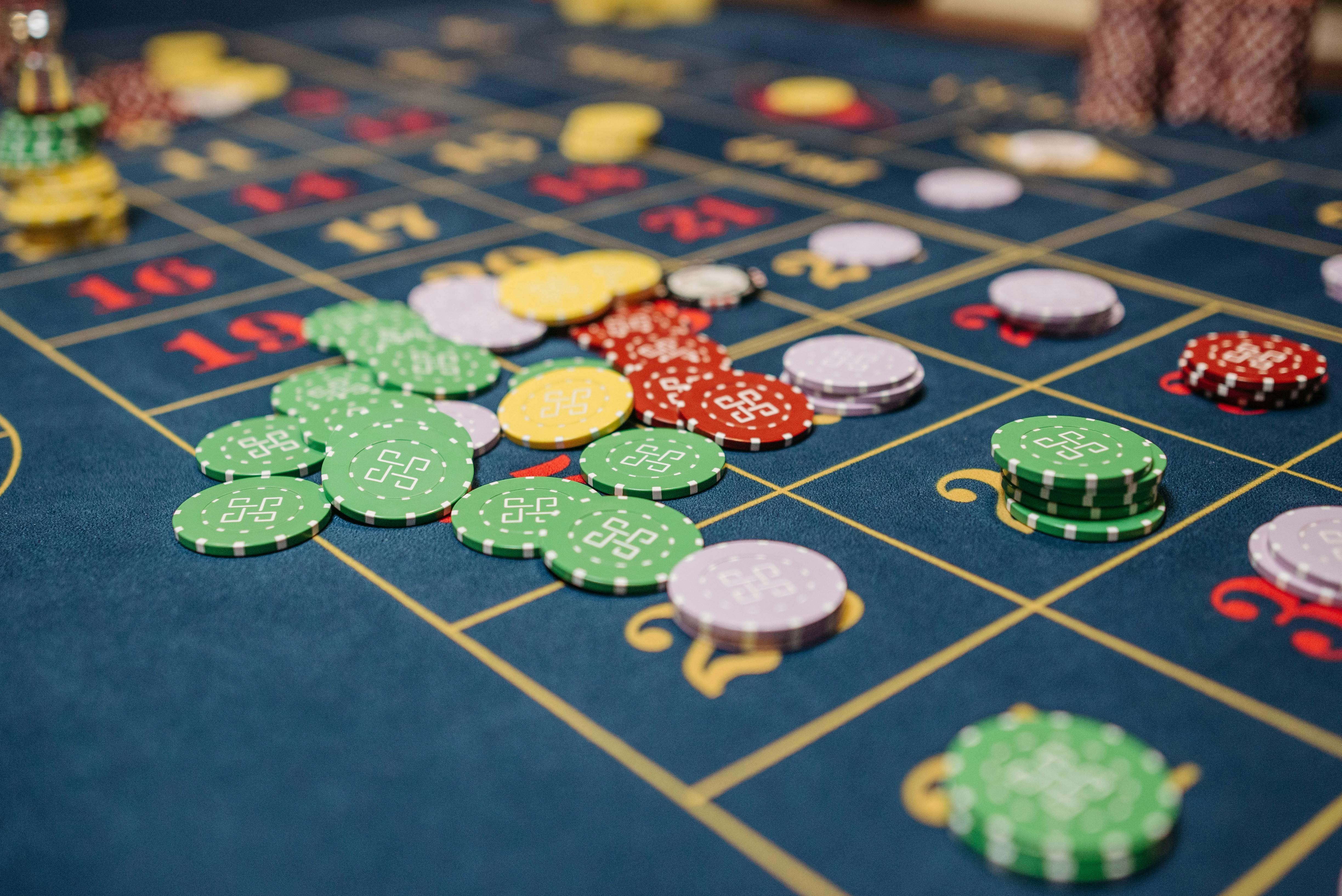
Lizaro Casino: A Psychological Playground
Understanding the psychological triggers behind gambling can enhance the overall experience at online platforms like Lizaro Casino. With over 10,000 games, including slots and live dealer options, players can engage in various betting strategies that cater to their emotional and psychological preferences. The platform is designed to create an exciting environment where psychological factors are at play, enhancing the thrill of online gaming.
Lizaro Casino recognizes the importance of providing a secure and enjoyable gaming experience. With robust support systems and multiple payment options, players can focus on the excitement of the game without the anxiety often associated with financial transactions. The platform’s commitment to responsible gaming ensures that players are aware of their limits, helping to mitigate the psychological risks involved in gambling.
By providing a generous welcome bonus and ongoing promotions, Lizaro Casino seeks to attract players while considering their psychological engagement with gambling. This approach emphasizes understanding the motivations behind players’ decisions, fostering a gaming community where enjoyment and responsibility coexist. Ultimately, Lizaro Casino exemplifies how awareness of psychological triggers can lead to a more fulfilling gaming experience.