


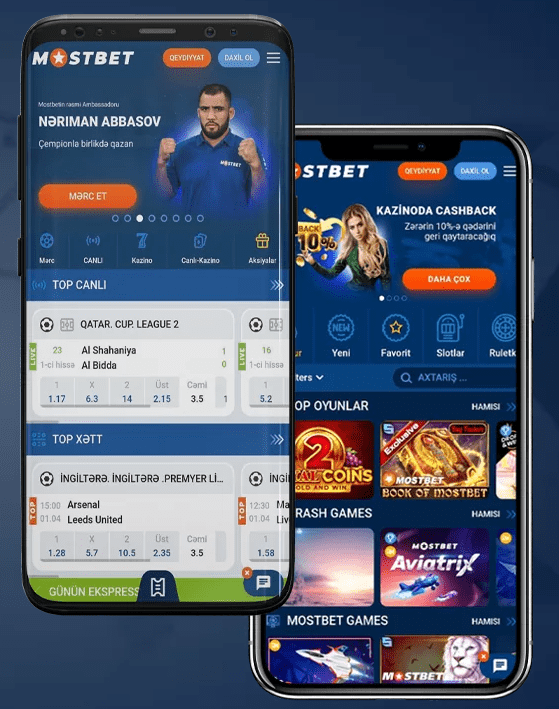
The rise of mobile online platforms has transformed the way we access information and connect with others. From social networking sites to e-commerce platforms and entertainment applications, mobile has become the dominant medium for internet access worldwide. Considering the rapid evolution of technology, businesses and individuals alike are adapting to this mobile-first world. The continuous contribution of innovations to improve user experience has made mobile online platforms indispensable, which can be seen in various sectors including gaming, shopping, and social media interactions. One of the prime examples of mobile online engagement is through gaming platforms, such as The Rise of Mobile Online Casinos in Bangladesh in 2026 Mostbet bd.com login, where users are favoring mobile applications for a seamless experience.
Historical Context
The journey of mobile technology can be traced back to the early 2000s when smartphones began to emerge. The launch of Apple’s iPhone in 2007 marked a watershed moment in mobile technology, laying the foundation for a new era of app-centric mobile usage. From that point forward, user engagement shifted significantly as the mobile internet became more accessible and user-friendly. Various applications emerged that catered to a wide range of user needs, from navigation to instant messaging to gaming, further solidifying the role of mobile in daily life.
User Behavior Shift
As mobile technology evolved, so too did user behavior. Users began to prefer mobile devices for tasks that were once reserved for desktop or laptop computers. According to recent statistics, more than half of all web traffic is generated via mobile devices. This shift signifies not only a change in preferences but also a need for businesses to adapt their online strategies to cater to the growing mobile audience.

Growth of Mobile Applications
The App Store and Google Play Store have become the gateways to a myriad of mobile applications. Businesses are investing in mobile app development to provide better user experiences, enhance customer engagement, and boost sales. In many sectors, having a mobile application is no longer an option but a necessity. Whether it’s for e-commerce, social media, or entertainment, apps have become vital tools in ensuring that businesses stay relevant in the competitive digital landscape.
Mobile E-Commerce
Mobile e-commerce has seen exponential growth, with more consumers opting to shop via their smartphones. Retailers are responding by optimizing their websites for mobile devices and developing dedicated mobile apps. The convenience of shopping on-the-go, coupled with secure payment options and enhanced browsing experiences, has revolutionized consumer behavior. Furthermore, mobile wallets and payment systems like Apple Pay and Google Pay have simplified transactions, making mobile shopping more convenient than ever.
Impact on Social Media
Social media platforms have also capitalized on the mobile trend. With apps like Instagram, Facebook, and Twitter being primarily accessed via mobile devices, social media has become a dominant force in shaping user interactions. The integration of features such as live streaming, stories, and in-app purchasing has created a dynamic environment that thrives on real-time engagement. Influencer marketing has consequently flourished, as brands leverage the reach of mobile-optimized platforms to connect with targeted audiences.
Mobile Streaming and Entertainment

The demand for mobile streaming services has skyrocketed, with platforms like Netflix, YouTube, and Spotify leading the charge. As users seek entertainment on-the-go, these services have developed user-friendly interfaces optimized for mobile use. The ability to access video and audio content anytime and anywhere has created new consumption patterns, prompting Traditional media companies to rethink their strategies.
The Future of Mobile Online
The future of mobile technology is promising, with advancements in fields such as augmented reality (AR), virtual reality (VR), and artificial intelligence (AI) driving further innovation. Mobile devices are becoming smarter, incorporating machine learning to personalize user experiences. Technologies like 5G are set to enhance mobile data speed and reliability, paving the way for more interactive and immersive applications. The continual growth of mobile online platforms indicates that our reliance on mobile devices will only increase, necessitating ongoing adaptation from businesses and consumers alike.
Challenges Ahead
Despite its numerous benefits, the rise of mobile online comes with challenges. Issues such as mobile security, data privacy, and digital addiction need to be addressed comprehensively. As more personal information is stored on mobile devices, the potential for data breaches increases, making it imperative for businesses to prioritize cybersecurity measures. Moreover, striking a balance between screen time and real-life interactions is essential in ensuring that mobile technology enhances rather than detracts from the quality of life.
Conclusion
In conclusion, the rise of mobile online has reshaped the digital landscape, creating new opportunities and challenges. As technology continues to innovate, it will be crucial for users and businesses to remain adaptable. By embracing the advancements and addressing the associated challenges, we can fully harness the potential of mobile technology to enrich our lives and connect us in an increasingly digital world.